Lietuvių kalba
 Polski
 English
 Dansk
Dansk Svenska
 Deutsch
 Latviešu valoda
 Eesti keel
 Magyar
- Delivery: 20-30 days.


Date sheet
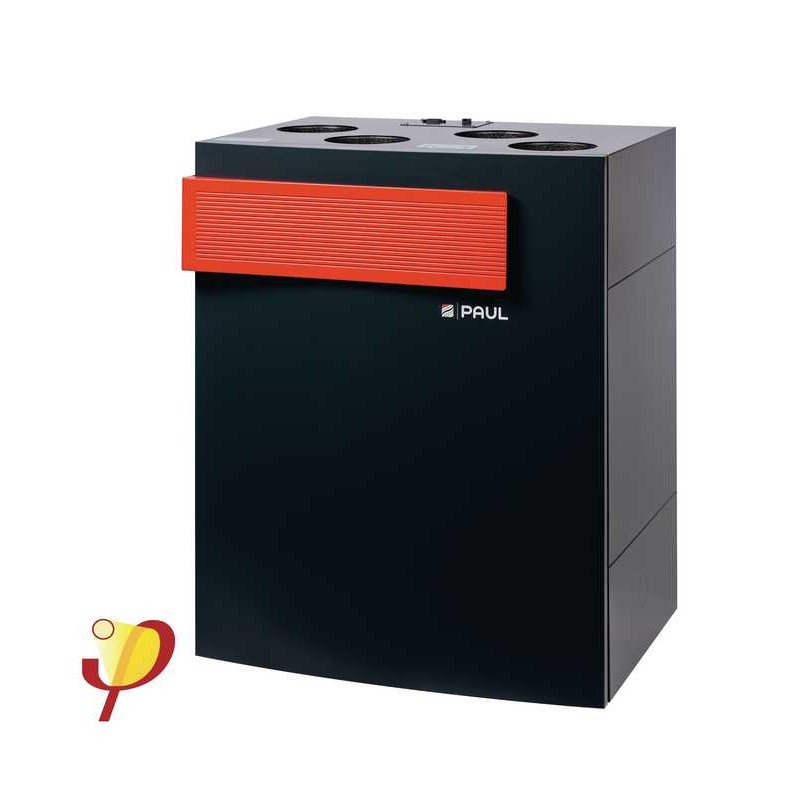
Filter set suitable for Paul Novus 300 and 450 F recuperators. The filter set is designed to filter incoming and outgoing air.
The set includes:
Differences between F7 and G4 filters:
Paul Focus (F) 200 Filter Kit Specification:
Recommendation:
ECO green
Filtrai1.lt filters have "ECO green" properties. The filters are made of recycled and durable materials.
Hygiene standard VDI6022
The filters we sell comply with the ventilation hygiene standard VDI6022. The standard ensures that filter materials do not allow bacteria to breed.
Flammability DIN53438 classification
The filters sold by Filtrai1.lt are tested and have the appropriate flammability classification.
The filters are made using the unique DEEP PLEAT technology.
Thanks to this technology:
Discount:
Buy 10 sets or more and contact us for a better price
useful information
When and how often should recuperator filters be changed?
Universal instructions for changing recuperator filters
Air filter classes, standards and marking
| Filter Type / EN 779 | ISO 16890 | >10 µm | PM10 | PM2.5 | PM1 | Gas/LOI | Typical Pollutants |
|---|---|---|---|---|---|---|---|
| G1 | ISO Coarse | ~40% | <10% | ~0% | ~0% | Large dust: sand grains, textile fibers, carpet lint, plant residues, insect parts, etc. | |
| G2 | ISO Coarse | ~50% | <15% | ~0% | ~0% | Sawdust, hair, large fabric shreds, paint chips, surface rust particles. | |
| G3 | ISO Coarse | ~60% | <25% | ~5% | ~0% | Larger household dust, lint, animal hair, some airborne pollen. | |
| G4 | ISO Coarse | 65-75% | 25-35% | 10-15% | <5% | Larger pollen grains, soil and sand impurities, textile fibers. | |
| M5 | ISO ePM10 ≥50% | ~80% | 50–65% | 20–30% | 10–15% | Most pollen, mold spores, pet dander, typical house dust. | |
| M6 | ISO ePM10 (60–80%) | ~90% | 65–80% | 30–45% | 15–25% | Construction material dust, concrete and cement powders, ash and other friable material particles. | |
| F7 | ISO ePM2.5 (50–65%) | >90% | 75–90% | 50–65% | 30–45% | Some bacteria, smog and tobacco smoke particles, combustion product dust, mold spores, wildfire smoke. | |
| F8 | ISO ePM2.5 (65–80%) | >95% | 85-95% | 65–80% | 45-60% | Fine fungal spores, airborne pollutant aerosols and other fine solid particles. | |
| F9 | ISO ePM1 (80-95 %) | >95% | >95% | >90% | 80-95% | Diesel engine soot, some airborne viruses, transport and industrial fumes, very fine combustion particles, extremely fine dusts and secondary organic aerosols formed from chemical reactions in the atmosphere. |
Paul Novus 300 and 450 models use filters measuring approximately 475 × 180 × 50 mm, in G4/G4 or F7/G4 configurations.
Standard Paul Focus 200 filters are 275 × 187 × 20 mm in size and are sold as a supply & exhaust air kit.
Paul Climos F 100 and F 150 DC models use cartridge filters with dimensions of approximately 150 × 250 × 45 mm.
No. The “F“ version stands for enthalpy heat exchanger, but the filter types and dimensions do not change — they are the same as in models without moisture return.
No. Paul filters are not universal — they must be selected precisely according to the specific model and series.
Filter set suitable for Paul Novus 300 and 450 F recuperators. The filter set is designed to filter incoming and outgoing air.
The set includes:
Differences between F7 and G4 filters:
Paul Focus (F) 200 Filter Kit Specification:
Recommendation:
ECO green
Filtrai1.lt filters have "ECO green" properties. The filters are made of recycled and durable materials.
Hygiene standard VDI6022
The filters we sell comply with the ventilation hygiene standard VDI6022. The standard ensures that filter materials do not allow bacteria to breed.
Flammability DIN53438 classification
The filters sold by Filtrai1.lt are tested and have the appropriate flammability classification.
The filters are made using the unique DEEP PLEAT technology.
Thanks to this technology:
Discount:
Buy 10 sets or more and contact us for a better price
useful information
When and how often should recuperator filters be changed?
Universal instructions for changing recuperator filters
Air filter classes, standards and marking
| Filter Type / EN 779 | ISO 16890 | >10 µm | PM10 | PM2.5 | PM1 | Gas/LOI | Typical Pollutants |
|---|---|---|---|---|---|---|---|
| G1 | ISO Coarse | ~40% | <10% | ~0% | ~0% | Large dust: sand grains, textile fibers, carpet lint, plant residues, insect parts, etc. | |
| G2 | ISO Coarse | ~50% | <15% | ~0% | ~0% | Sawdust, hair, large fabric shreds, paint chips, surface rust particles. | |
| G3 | ISO Coarse | ~60% | <25% | ~5% | ~0% | Larger household dust, lint, animal hair, some airborne pollen. | |
| G4 | ISO Coarse | 65-75% | 25-35% | 10-15% | <5% | Larger pollen grains, soil and sand impurities, textile fibers. | |
| M5 | ISO ePM10 ≥50% | ~80% | 50–65% | 20–30% | 10–15% | Most pollen, mold spores, pet dander, typical house dust. | |
| M6 | ISO ePM10 (60–80%) | ~90% | 65–80% | 30–45% | 15–25% | Construction material dust, concrete and cement powders, ash and other friable material particles. | |
| F7 | ISO ePM2.5 (50–65%) | >90% | 75–90% | 50–65% | 30–45% | Some bacteria, smog and tobacco smoke particles, combustion product dust, mold spores, wildfire smoke. | |
| F8 | ISO ePM2.5 (65–80%) | >95% | 85-95% | 65–80% | 45-60% | Fine fungal spores, airborne pollutant aerosols and other fine solid particles. | |
| F9 | ISO ePM1 (80-95 %) | >95% | >95% | >90% | 80-95% | Diesel engine soot, some airborne viruses, transport and industrial fumes, very fine combustion particles, extremely fine dusts and secondary organic aerosols formed from chemical reactions in the atmosphere. |
Paul Novus 300 and 450 models use filters measuring approximately 475 × 180 × 50 mm, in G4/G4 or F7/G4 configurations.
Standard Paul Focus 200 filters are 275 × 187 × 20 mm in size and are sold as a supply & exhaust air kit.
Paul Climos F 100 and F 150 DC models use cartridge filters with dimensions of approximately 150 × 250 × 45 mm.
No. The “F“ version stands for enthalpy heat exchanger, but the filter types and dimensions do not change — they are the same as in models without moisture return.
No. Paul filters are not universal — they must be selected precisely according to the specific model and series.